Researchers
My research questions, the methods I study and the related publications.
Explore research themesUniversité Paris 8 · Laboratoire CHArt / THIM
How can someone read a map by touch? What can facial cues or physiological signals tell us about fatigue? These questions guide my research on digital accessibility, signal and image processing, and assistive technologies.
I head the Ingénierie – Cognition – Handicap (ICH) department and direct the MIASHS master’s programme, Technology and Disability track.

Research seminar at MSH Paris Nord. The programme brought together the Technology and Disability master’s programme, SWPS University in Warsaw and Kyiv Polytechnic Institute to discuss AI, psychology and digital accessibility. Department announcement (in French).
ICMV 2026. In Budapest, Wiem Ben Ghozzi presented our work on facial cues that may indicate driver fatigue. Read the conference reference.
Erasmus+ cooperation with Sfax. Building on our student and staff exchanges, we are working with the National Engineering School of Sfax on a proposed double degree. Partnership with Sfax.
My research questions, the methods I study and the related publications.
Explore research themesCurrent partnerships and opportunities for joint research and teaching projects.
Projects and collaborationThe courses I teach, student projects and the Technology and Disability master’s programme.
Teaching and master’s programmeRepresentations at different levels of detail for visual or tactile exploration.
Computer vision, behavioural cues and physiological measurements.
Image processing and Braille transcription to support the production of tactile maps.
A proposed framework combining augmented reality and brain–computer interaction.
Frontiers in Neuroinformatics · 2025
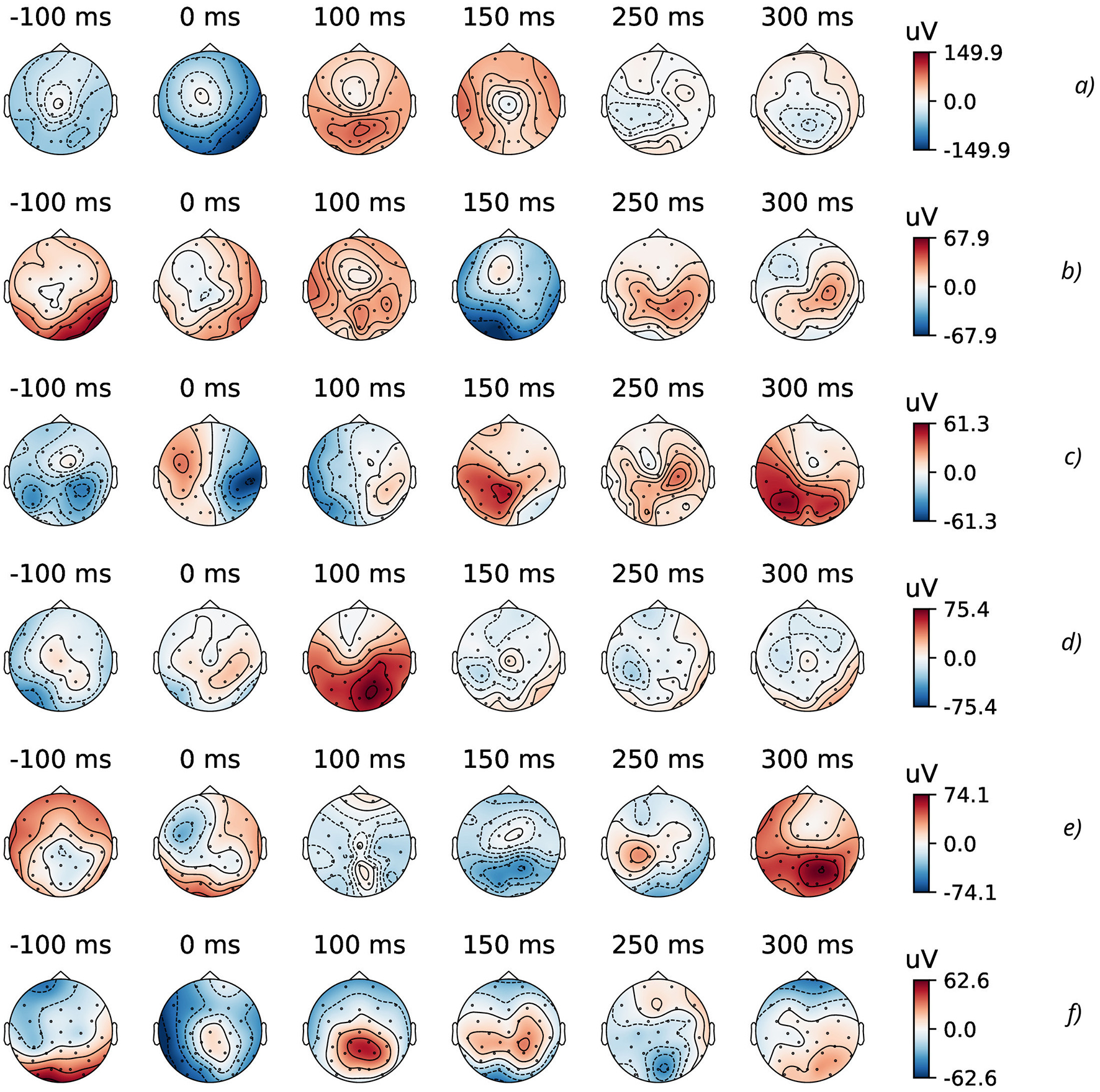
In this study, volunteers grasped, lifted and set down an object. Using electroencephalography (EEG) recordings from the Grasp-and-Lift dataset, we examined how the length of a signal segment, the position of an event within it and added noise affect recognition of the phases of the movement.
Two figures on the research page show the recorded signals and how the classifiers performed under different conditions.
Understand the study and its figuresReference and full text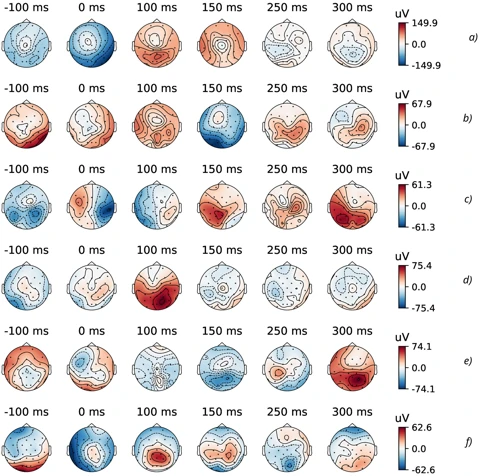 Read the EEG map description
Five papers spanning accessible images, physiological signal analysis and assistive interfaces.
Change the size of the blocks used to represent a simple shape and compare the visible details. Research context and methods.
A house with a triangular roof, a rectangular body and a door cut out at the bottom centre.
The house has a triangular roof, walls and a doorway cut into the centre of the base. At each level, a solid cell lies entirely inside the house. A grey cell covers part of the outline of the house or the edge of the doorway.
Original shape shown.
Each block takes the average shade of the area it covers. This example shows what happens to the outline of an image as its level of detail decreases.
Are you planning a master’s internship, a PhD project or a collaboration in digital accessibility, signal analysis or assistive technologies? Send me an outline of your topic and timeline so that we can discuss supervision and funding possibilities.
Accessible representations of images and documents; multimodal fatigue analysis; EEG classification and assistive interfaces. The precise topic depends on your background, the available data and the hosting arrangements.
Master’s internship: state your degree programme, dates, duration and relevant skills in programming, image or signal processing, machine learning or accessibility evaluation. Include a link to your CV and one or two examples of your work.
PhD project: describe your Master’s-level background or equivalent, a research question, proposed methods and timeline. Mention any funding or joint-supervision possibilities. Admission and supervision follow the university’s and doctoral school’s procedures.
Collaboration: introduce your team, scientific objective, the expected contribution of each partner and timeline.
Use the form with the subject “Master’s internship”, “PhD project” or “Collaboration”. Briefly outline your project and add relevant links. The form does not accept attachments: we can then agree how to share any necessary documents. Please do not send sensitive personal data in this first exchange.
At Université Paris 8, I combine research within the CHArt laboratory, teaching in the Technology and Disability master’s programme and scientific collaboration.